
Anxiety tech techidemics is a search that mixes two things: a tech blog and a wellbeing topic. Techidemics, as far as the pages read show, is a general technology site covering programming, fintech and gadgets, and it does not present itself as an anxiety or mental-health resource.
| Question | Answer from the pages read |
|---|---|
| What does Techidemics cover? | Programming, fintech and tech gadgets |
| Is there an anxiety section? | No such menu item or category was seen |
| Who runs the site? | No owner or company is named |
| How do you contact it? | An email address and a contact form on the Contact page |
| Is it a clinical service? | Nothing suggests so; it reads as a blog |
| What are the alternatives? | Apps, wearables, therapist-led care and public-health sites |
What is Techidemics, and where does anxiety tech fit?
The Techidemics home page presents three categories: Programming, Fintech and Tech Gadgets. Its About page calls the site a destination for “all things tech-related” and lists fintech news, programming tutorials and gadget reviews and buying guides. Anxiety, stress or mental health appears in none of those descriptions.
That matters for anyone searching techidemics anxiety tech. If you were hoping for a curated list of calming apps or a clinician-reviewed guide, the pages read do not promise one. A gadget review could mention a wearable that tracks heart rate, but the packet does not show such an article, so it would be a guess to say one exists.
The practical reading is simple. Use Techidemics for what it states it does, which is general technology coverage, and use dedicated health sources for anything that touches diagnosis, treatment or medication. Searchers who land on the site from an anxiety query may find the programming and gadget pages interesting, but should not expect guidance about how they feel.
What does the Techidemics site actually publish?
Home-page headlines include a 2026 guide to the site itself, a piece on troubleshooting software performance, an open-source versus proprietary software comparison, and a plain-language cloud computing explainer. A fintech block repeats several “Techidemics fintech update” style titles. Some other headlines use product-like names such as UltraUI, SwiftRift and XenonScalar, which the packet does not explain.
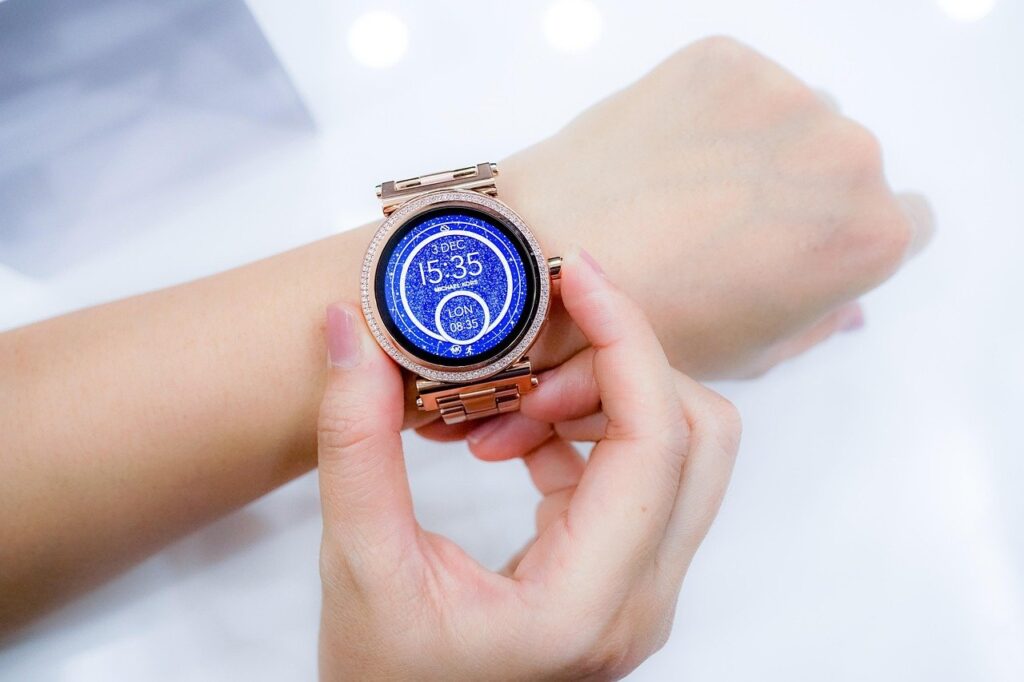
A reader who wants to compare gadgets should do so by checking each claim against the manufacturer. The site’s own About page promises reviews and comparisons, but it does not describe how testing is done.
Which anxiety tech options exist outside Techidemics?
If the goal is a tool that helps with stress, there are several broad kinds of option. None of them replaces professional care, and this page does not recommend one over another. A plain comparison:
| Option type | What it usually offers |
|---|---|
| Guided breathing or meditation apps | Short audio sessions, reminders, streak tracking |
| Mood and thought journals | Daily check-ins and prompts you can show a clinician |
| Wearables with heart-rate features | Resting heart rate trends and sometimes stress estimates |
| Online therapy services | Video or message sessions with a licensed professional |
| Public-health and national health service sites | Free self-help guides and signposting |
How does Techidemics compare with a dedicated wellbeing resource?
A dedicated resource usually names its reviewers, states its sources and says when content was last checked. The Techidemics pages read do none of this for health topics, because health is outside their stated scope. For a general tech question, such as how to compare gadgets beyond headline specs (a title shown on the home page), the site is closer to its purpose.

Wearable readings, for instance, are estimates. They can be useful for spotting patterns, but they are not diagnoses. If anxiety is affecting sleep, work or daily life, a doctor or licensed therapist is the right person to ask. In an emergency or if you are in crisis, contact local emergency services or a crisis line in your country.
How to reach Techidemics and check what you find
The Contact page invites questions and suggestions by email or a form, and the home page shows [email protected] as the address. No phone number or street address was seen, and no owner is named. When you write, quote the exact article title and say what you want changed or clarified.
Before acting on anything from a tech blog, check the date, look for a named author and verify any health-related claim on a recognised medical or government source.
What should you ask before trusting any anxiety tech product?
Whether a product is found through Techidemics or a store listing, the same questions apply. They take a few minutes and filter out most weak options.
- What does it claim? “Helps you relax” is a modest claim. “Treats” or “cures” anxiety is a medical claim and needs real evidence, such as a published trial or regulator approval.
- Who made it? A named company with a support address and a privacy policy is easier to hold to account than an anonymous listing.
- What data does it collect? Mood entries and heart-rate data are sensitive. Read what is stored, where it goes and whether you can delete it.
- What does it cost over a year? Free trials often convert into subscriptions. Note the renewal price and how to cancel.
- Does it point you to help? A responsible tool tells you when to speak to a professional and lists crisis resources.
The same checklist works for a gadget review on the site itself. If a review gives no testing method and no purchase disclosure, weigh it lightly and look for a second opinion from a source with no stake in the sale.
Questions about Techidemics and anxiety tech
Does Techidemics sell an anxiety app?
No product or app store link was seen on the pages read. The site reads as a publisher, not a seller.
Is techidemics tech content reviewed by medical experts?
Nothing on the pages read says so. Treat any health mention as general information, and confirm it elsewhere.
Why do several Techidemics titles use odd spellings?
Home-page headlines vary the brand as Techidemics, Tech-Idemics and Techidomeics. The site does not explain why. It may be a search-driven naming habit; the packet does not say.
Where should I look for anxiety tech instead?
Start with your doctor or a national health service, then compare apps and wearables by reading their privacy terms and any published studies. Free options are worth trying first.

