
Picture this: a dish that not only tantalizes the taste buds but also tells a story as rich as the flavors it embodies. Welcome to the world of Rasnkada. This vibrant concoction isn’t just another food item: it’s an emblem of tradition, culture, and health benefits that could make even the most skeptical foodie raise an eyebrow. Buckle up, because exploring Rasnkada is going to be a flavorful ride.
rasnkada
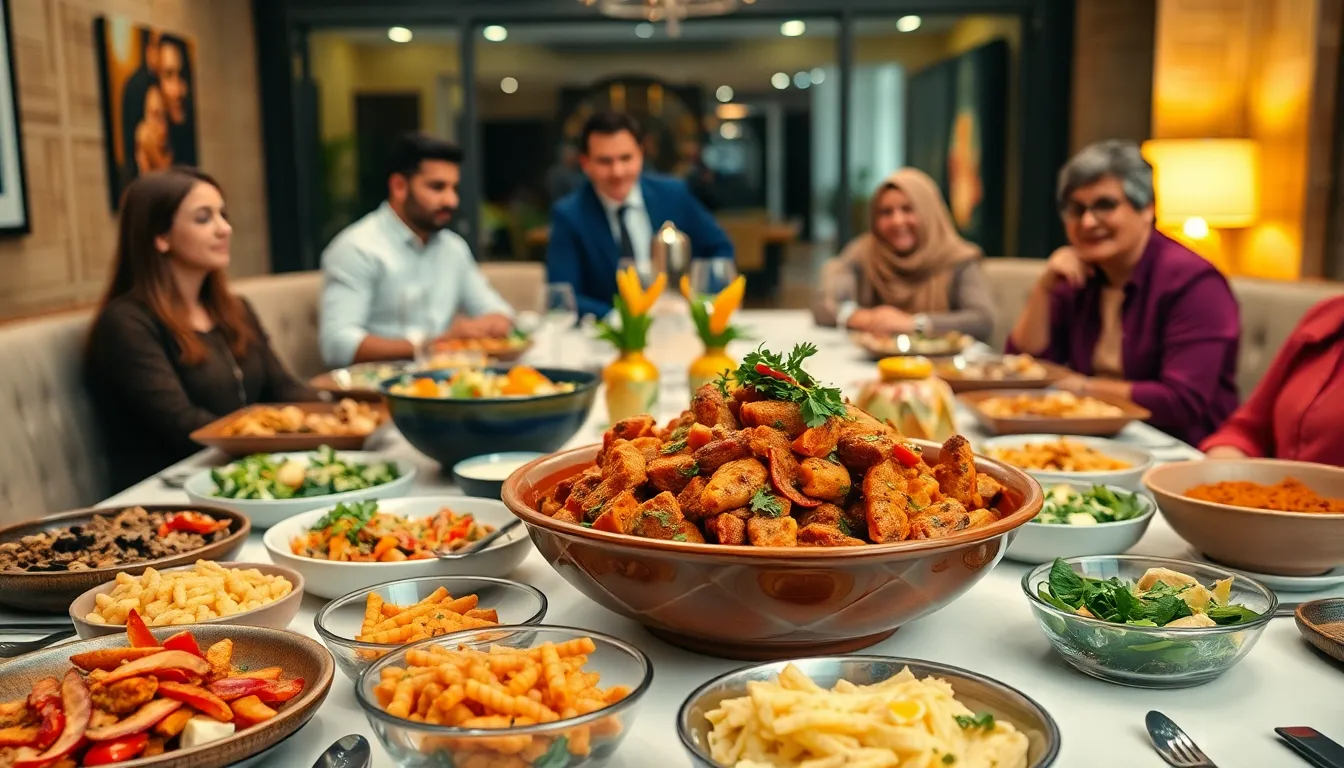
Rasnkada is more than a dish: it is an enchanting blend of flavors, textures, and cultures. Often flavored with an intriguing mix of spices, Rasnkada is primarily derived from base ingredients like grains or legumes. The exact composition can vary depending on regional culinary interpretations, which is part of what makes it so fascinating.
Some might describe it as a savory treat that captures the essence of community and togetherness. Traditionally served during festive occasions or significant gatherings, Rasnkada becomes the centerpiece that brings everyone together. Whether served at family reunions or village fairs, it generates a sense of belonging, embodying culinary artistry and home-cooked warmth.
Historical Background
The roots of Rasnkada stretch back through the annals of history, making it a dish steeped in cultural significance. It originated in specific regions known for their rich agricultural practices. The earliest mentions hint at its preparation as a way to conserve perishable ingredients, showcasing early human ingenuity.
As trade routes expanded, Rasnkada transformed, incorporating flavors and ingredients from diverse cultures. It evolved from traditional kitchens to become a staple at communal celebrations. With every historical epoch, each new community added its essence to the dish, creating a layered history that weaves tales of resilience and adaptation.
Cultural Significance
Culturally, Rasnkada is a star player in rituals and celebrations. In various communities, it is not uncommon to find Rasnkada gracing the tables during weddings, harvest festivals, or even religious ceremonies. It isn’t merely food: it signifies abundance and hospitality.
The shared act of preparing and enjoying Rasnkada fosters community bonds. Generations pass down recipes, keeping the dish alive and relevant. Each family may add a twist, ensuring that while the dish remains true to its roots, it continues to evolve, much like the cultures that cherish it. This continuous adaptation speaks volumes about cultural continuity in a rapidly changing world.
The Traditional Preparation of Rasnkada
Traditionally, preparing Rasnkada is an art form. It often begins with soaking key ingredients, allowing them to absorb flavors and enhance texture. Once prepped, the ingredients are cooked slowly, allowing the spices to mingle and develop a rich profile.
Techniques vary across regions, with some traditions favoring open-fire cooking, while others might rely on modern cooking methods. The careful, ritualistic approach makes each batch unique. Community gatherings often treat the preparation as a communal task, where laughter and storytelling intermingle with the delicious aroma wafting through homes.
Health Benefits Associated with Rasnkada
Rasnkada isn’t just about delectable flavors: it also packs a punch when it comes to health benefits. Depending on its base ingredients, it can be a source of vital nutrients tailored to promote wellness.
For instance, legumes and grains commonly used in Rasnkada are high in protein and fiber, making them great for sustenance and digestion. Also, spices like turmeric or cumin found in some variations boost immunity and provide anti-inflammatory properties. Enjoying Rasnkada can be a wholesome indulgence, bridging culinary pleasure with nutritional value.
Modern Variations and Innovations
Today, Rasnkada isn’t confined to traditional recipes. Chefs and home cooks alike are experimenting with contemporary twists. From fusion versions combining international flavors to vegan adaptations, Rasnkada has expanded its reach. Whether served as a chic restaurant dish or comfort food at home, the possibilities are endless.
Innovative techniques and modern culinary practices are being incorporated into its preparation. Meanwhile, social media fosters a platform for sharing these new interpretations, allowing food enthusiasts to discover, create, and share. As Rasnkada continues to evolve, it invites everyone to participate in its delicious journey.

