
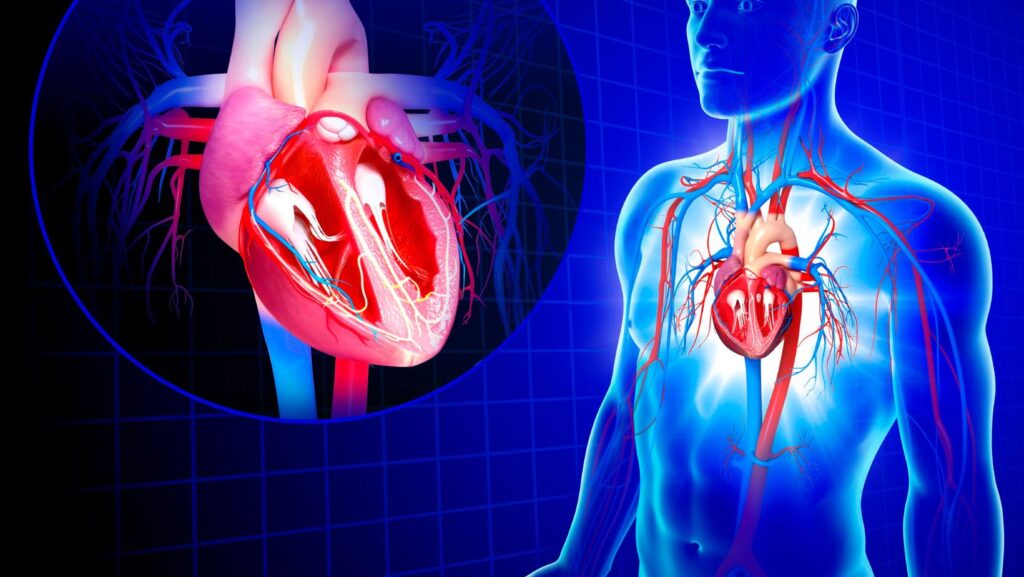
With each beat, heart valves silently transport blood between chambers. The mitral valve, placed between the left atrium and the left ventricle, plays a critical role in this flow. The symptoms may develop gradually as the condition worsens. People frequently adjust to these changes without realising that they are symptoms of a larger problem. However, if not treated, a deteriorating disease may require mitral valve surgery due to catastrophic consequences. Knowing when something is incorrect enables rapid assessment and educated decision-making.
Breathlessness That Arrives Too Soon
It’s possible for tasks that were once simple to complete to become more challenging. Someone may become abnormally tired by walking uphill, climbing stairs, or even stooping down to tie a shoe. Breathlessness may initially manifest during physical activity, but it can also develop gradually at rest. This symptom, which is frequently brought on by blood flowing backwards due to valve inefficiency, reflects changes in pressure within the heart and lungs.
Energy That Fades Without Reason
The body adjusts by decreasing the amount of oxygen delivered to muscles and organs when blood flow through the heart is inefficient. A chronic lack of vitality may be the outcome. Sleep or brief breaks do not usually alleviate the profound fatigue associated with mitral valve disease. Many people start scheduling their days around this fatigue without realising it’s an indication worth investigating further.
Irregular Beats or a Racing Heart
Initially, there may be sporadic feelings of missed beats or fluttering in the chest. These palpitations could become more visible or chronic with time. A disturbed rhythm may be a sign of increasing atrial pressure, particularly if it occurs without any apparent physical or mental cause. These disruptions are more than just annoying; they may be early indicators of structural heart stress.
Swelling That Creeps In Gradually
Poor circulation may lead to fluid retention. The swelling can begin in the feet, ankles, legs or even the abdomen. Tight rings or shoes might be tight in the evening. Swellings that occur regularly should be given special attention, particularly when accompanied by other cardiovascular symptoms, even if they may be due to heat or food in some cases.
Chest Sensations That Feel Different
The pain around the mitral valve is often described as pressure, tightness, or heaviness, rather than the searing pain often associated with cardiac events. It may present as unexplained pain in the sternum or as pain during physical activity. This symptom cannot be neglected, and it is particularly dangerous when it is accompanied by exhaustion or dyspnoea.
Decreased Ability to Stay Active
If you have mitral valve disease and you experience a decrease in your ability to exert yourself physically, this is frequently a sign of deteriorating function. Once-routine tasks can start to feel difficult. Carrying groceries, walking a dog, or gardening fall under this category. If there is no apparent reason for declining stamina, there may be a more serious cardiac problem.
Dizziness and Faint Spells
Lightheadedness may indicate insufficient blood supply to the brain, particularly when standing, bending, or climbing. Dizziness or near-fainting increases in frequency as mitral valve disease progresses. Even while these moments might go by fast, they offer important insights into the workings of the cardiovascular system.
Mental Fog and Slower Thinking
Lower oxygen-rich blood flow to the brain can impair cognitive function. A mental fog, trouble focusing, or an incapacity to think clearly are how some individuals characterise it. These cognitive alterations are often mistaken for ageing or stress. On the other hand, they might indicate a worsening of established heart valve problems.
Why Waiting Can Be Risky
Mitral valve conditions often progress slowly but progressively. Even a minor leak or rigidity can strain the heart and ultimately lead to issues that affect daily life. Several alternatives can be used if a change is identified early. Prior to the emergencies, cardiology teams may often use surveillance, medication, or surgical planning. This expectation improves the results and increases life expectancy.
Knowing What to Watch Could Protect the Future
People can get helpful information about their heart condition by closely monitoring changes in energy, respiration, heart rate, or swelling. It is never appropriate to write off symptoms that make it difficult to walk, rest, or concentrate. Long-term cardiac health is protected by addressing these indicators, particularly if you have a known valve problem. Although mitral valve disorders don’t necessarily require immediate treatment, early detection of their progression is crucial.

