
Feeling unsafe may occur when you are least expecting it. Whether you are going out on an evening stroll, waiting to get a ride, or alone at home, the sudden thought of what may happen in case something goes wrong can create anxiety.
For most of the older adults, this is not just a mere concern, but a day-to-day burden linked with independence, health, and uncertainty regarding emergencies. That is where a personal safety alarm can be a simple and yet effective solution.
It is created to assist in alerting other people and finding assistance when every second matters. In this article, you will get to know how to effectively use a personal safety alarm in case of an emergency, so that you will be able to react confidently and without panic.
1. Understand What a Personal Safety Alarm Does
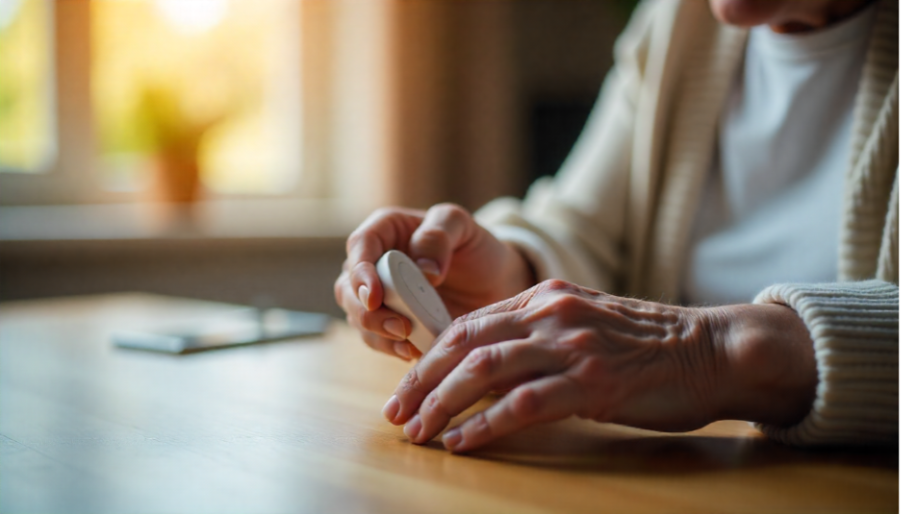
Before you can use your alarm confidently, it’s important to understand how it works. A personal safety alarm for older people is a small device created to attract immediate attention when activated.
It typically produces a loud sound or connects directly to an emergency response system. This sudden alert can startle a potential threat, signal nearby people, or automatically notify trained responders that you need help.
Unlike complex technology, these devices are designed to be simple and quick to use. Some versions include two-way voice communication, GPS tracking, or automatic fall detection. Others connect you to a live response center that can contact family members or emergency services within seconds.
Knowing which features your device offers helps you make the most of it when it matters most. More importantly, the alarm gives you a voice in situations where you might otherwise be unable to call for help. Whether you’re facing a fall, a sudden health issue, or an unsafe situation, understanding its function is the first step toward using it effectively.
2. Keep It Accessible and Ready
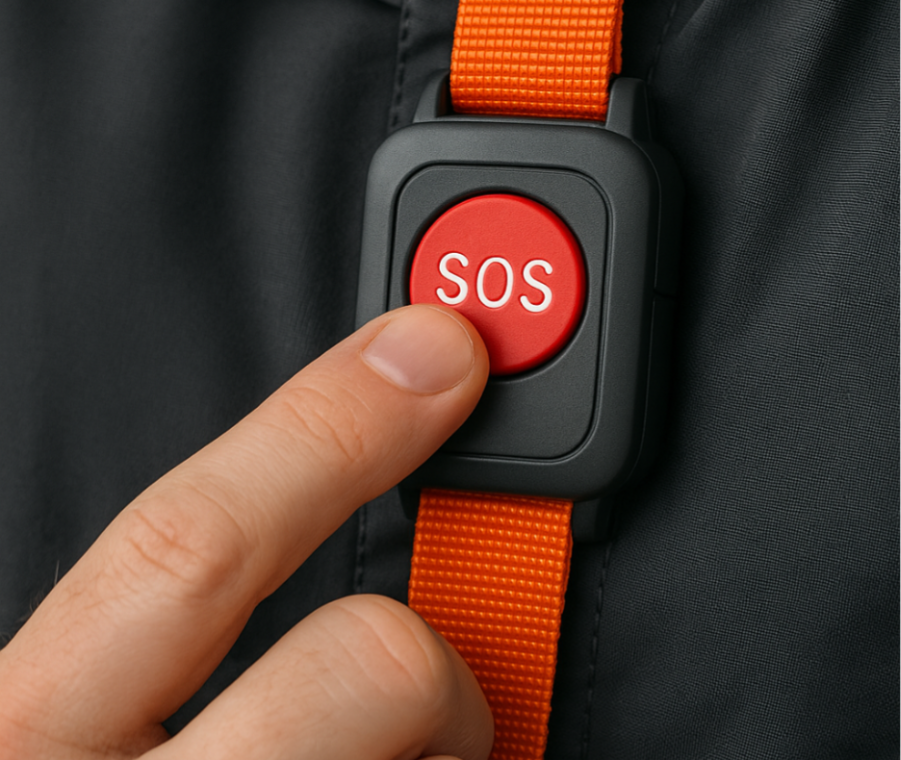
Having an alarm is one thing; reaching it quickly is another. Emergencies can happen in seconds, and that’s often too little time to dig through a bag or drawer. Keep your alarm where you can grab it instantly—on a keychain, wristband, necklace, or clipped to your clothing.
If you use a monitored device, ensure it stays charged or that batteries are replaced regularly. It’s easy to forget, but a dead device can’t call for help. Setting a weekly or monthly reminder to test your alarm is a simple habit that ensures it will work when you need it most.
Think of accessibility as your first layer of safety. When your alarm is always within reach, you reduce panic and increase your ability to respond calmly.
3. Practice Using It Before an Emergency
Once stress or fear sets in, you lose your ability to think clearly. That is why practice is necessary. Make sure to study the functionality of your alarm–learn which button to press, how to reset, and how loud it is.
By practicing regularly, you create muscle memory. That way, if an emergency occurs, you won’t need to think—you’ll just act. Those few seconds of confidence can make a significant difference in getting help faster.
4. Use It At The Right Time
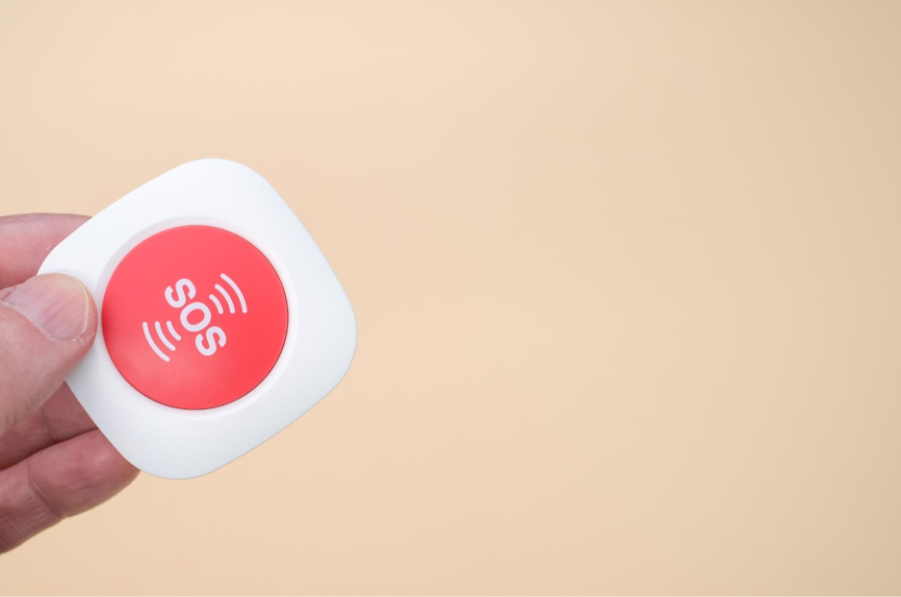
Waiting too long to use their alarm is one of the most common errors older adults commit. Most of them hesitate, believing that they are overreacting.
When you feel lost or find yourself falling, do not second-guess yourself. Immediately, press the button or push the cord. The audio and associated notification are meant to attract attention in a short time.
In monitored systems, an operator will be able to check on you and send help immediately. Remember, hesitation can cost valuable time. Trust your instincts and use your alarm as soon as something feels wrong.
5. Combine It With Broader Safety Habits
The personal alarm is potent; however, it works best when combined with a bigger safety strategy. Begin by knowing your surroundings. When strolling, be aware of lightning, motion, and barriers.
Distractions such as using your phone or having headphones in both ears should be avoided. At home, keep walkways clear and install grab bars in areas prone to slips or falls. These simple adjustments lower your overall risk and complement your alarm’s protection.
In case your device is connected to your family members or caregivers, be sure that their contact information is up to date. Explain to them the functioning of the alarm, and inform them of what to do in case they get an alert. This creates a support network that strengthens your safety plan.
Final Thoughts
Emergencies can happen anywhere, from busy streets to quiet living rooms. While you can’t predict them, you can prepare for them. A personal safety alarm gives you control over how you respond—it connects you to help and provides reassurance that assistance is always within reach.
By understanding how your alarm works, keeping it accessible, practicing regularly, and combining it with sound safety habits, you create a strong foundation for independent living. For older adults, that confidence is invaluable.
When used effectively, a personal safety alarm isn’t just a device—it’s a bridge to safety, connection, and peace of mind.
