
It’s always been pretty clear that a positive mental well-being can be connected to improved health, but new scientific breakthroughs are finally showing just how much of an influence it can have. It is already transforming the field of mental health and affecting holistic approaches to wellness, making it easier for individuals and professionals detect hidden issues that might go unnoticed. With emotive AI becoming more achievable, many wellness professionals (like a Tempe-based Naturopathic Doctor) are now incorporating such findings into individualised health programs, which represents the most comprehensive and proactive method for optimising long-term wellness.
Understanding the Science Behind Voice Biomarkers
In essence then voice biomarkers are measurable (quantifiable/identifiable) vocal characteristics that can be matched to an emotional or a physiological state. When they feel stressed, anxious, fatigued or emotionally upset it flips the switch on their body’s autonomic nervous system that acts immediately to change muscular tension and muscle contractions and affect respiratory rate, vocal cord vibration. It’s these reactions that are changing the pitch, tone, rhythm and frequency of your voice ever-so-slightly. While these changes could sound minimal to the average ear, they can be measured by complex algorithms that were developed to sift through thousands of micromeasurements in mere seconds.
Unlike typical stress assessments (based on self-report, which may be biased, inaccurate, or limited), voice biomarkers provide an objective means to detect stress in real time. Gut feeling Emotional AI platforms are designed to analyze voice samples and label them as emotional indicators, showing users how their emotional state has changed during the day. This technology is increasingly important in today’s society with a tendency for stress to be internalised or even socially programmed, and for people to miss the signs of imbalance early on. Voice based assessments bridge this gap through offering instantaneous and non-invasive approach to mood measurement.
Emotional AI and Hidden Stress
Subtle stress is emotional distress that isn’t readily apparent or actively recognized. There are so many who live under strain forever and don’t realize how much it impacts health. Emotional AI apps have been developed to detect that layer of hidden stress by picking up on tiny vocal changes humans don’t normally register. For example, during peaceful conversations emotional AI may sense patterns of fatigue, cognitive load, frustration, long-term anxiety or distress even while speaking calmly.
This ability has broadened the way health professional assesses their patients. So rather than episodic check-ins or overt signs, providers can now tap continuous emotional monitoring, and get a better feel for what the patient’s emotional world is like day to day. Uncover discreet stress in timeBy recognizing covert stress when it’s still young, emotional AI makes timely and successful intervention that stops stress from transforming into chronic ailments of the cardiovascular system, immunity, sleep or hormonal equilibrium.
The Significance of Combining Emotional AI with Whole Health
Holistic well being focuses on the harmony of the mind, body, and lifestyle. Those who work in this area know that psychological well-being affects our physical health, both in the short term and over time. “Stress can turn on inflammation; it messes with your digestion, changes your sleep patterns and even suppresses the immune response,” says Nayak. With emotional AI added to holistic care, providers have a better view of the emotions that impact physical issues.
This integration is especially meaningful for health practices that deliver personalized care. For instance, a Naturopathic Doctor in Tempe will be able to leverage emotional AI insights; learning to pinpoint stress patterns that contribute to fatigue, digestive problems, hormonal imbalances or chronic pain. By studying the associated emotions found in voice biomarkers, naturopathic doctors can tailor their approach to include emotional assistance, lifestyle changes and natural therapies. This connection between technology and a holistic understanding of the patient will help not only in accurate diagnosis but also in achieving better health outcomes.
How Emotional AI Is Helping Us Cope With Stress
Stress management has changed rapidly and there is a growing focus on methods that enhance emotional as well as physiological regulation. Emotional AI takes this a step further by enabling people to identify exactly when their stress hormones spike and what triggers them. This technology, when combined with wellbeing principles in line with a holistic approach to health, could serve to support healthier behavioural patterns.
Emotional AI, for example, may find elevated stress at certain times of the day—like during work hours or after a bad night’s sleep—and practitioners can craft interventions to target just those triggers. Breathwork, guided meditation, herbs support, mitigating dietary adjustments or lifestyle re-haul work better when fostered in the context of emotion or real-time dependent data for deep personal transformation. Patients also have come to appreciate the measurable feedback, which keeps them engaged throughout their health-and-wellness quest. The Emotional AI serves as a diagnostic tool and support partner making your progress in managing stress within a longer term success mode.
Bridging Technology and Natural Medicine
One of the most influential trends in contemporary wellness is the continued partnership of technology and natural medicine. Emotional AI gives holistic practitioners new access to the history of emotional patterns that can have a much more mysterious and deep connection to physical symptoms than is often realized. Combining this information with naturopathic treatments offers a comprehensive approach that essentially combines thousands of years old healing tradition and philosophy with modern analytical techniques.
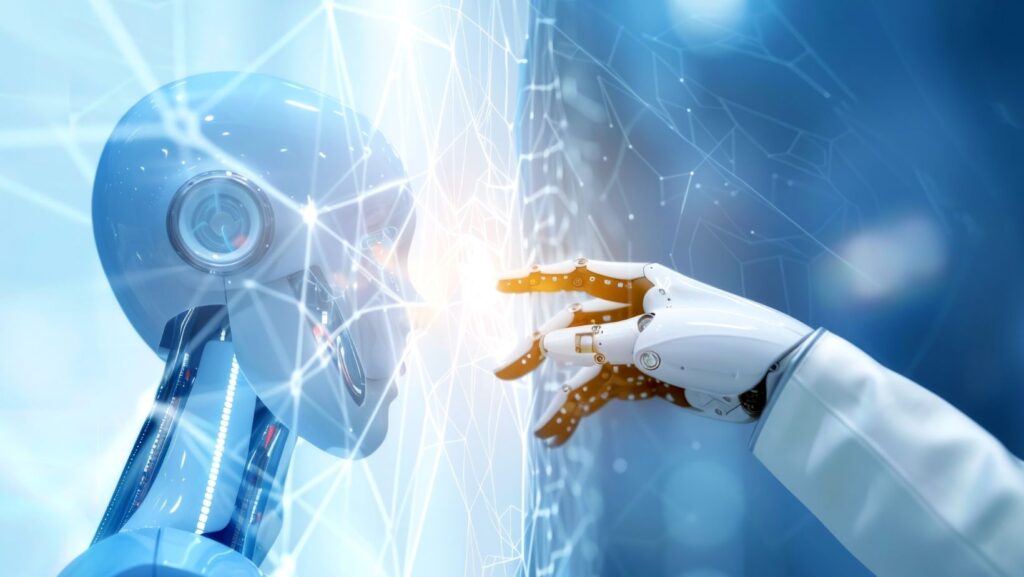
In naturopathic practice, knowing a patient’s stress profile is important as chronic stress negatively affects every body system. Voice biomarkers identify emotional drivers behind symptoms that usually may not respond to traditional treatment alone. Emotional patterns are often a significant factor, in whether one is suffering from sleep challenges, chronic fatigue, digestive concerns or hormonal shifts. An Naturopathic Doctor in Tempe can work with this information to develop a custom plan that attacks the emotional triggers as well as the underlying physiological imbalances so you see quick, lasting results.
Emotional Awareness is also the way to health
Emotional wellness It’s hidden in the modern world, but one of our greatest challenges. Tons more people battle through exhaustion or overwhelm because they just think it’s normal. Emotional AI disrupts this thinking, instead pointing at latent patterns that need to be addressed. Luisa (2020) LSP due to Career Transition Problems: In case the career experiences a smooth transition, individuals show more concern for themselves and view emotional regulation as part of their own health, and not an “add ” feature.
Emotional balance has long been the goal of holistic wellness, and with voice biomarker, the target has become more specific and actionable. With instant emotional feedback, people can recognize the warning signs early and ultimately prevent feelings of burnout — letting them keep themselves from becoming emotionally exhausted. This sense of self-knowledge creates a more explicit partnership with one’s health, as well as decreasing stress as a contributor to chronic disease.
The Future of AI in Healthcare: Emotional AI
With the development of emotional AI, its medical contribution is coming out. Voice biomarker analysis is being extended by researchers to identify not just stress but also depression, other psychological or anxiety disorders, respiratory conditions, neurological diseases and even cardiovascular risk. The capacity to measure emotional and physiological wellbeing via non-invasive vocal analysis is expected to become a staple in the wellness sector, enhancing systems for anything from psychological health through to lifestyle medicine.
For holistic healers, this technology is a tool that adds to the capacity to offer extremely customised care that mirrors each person’s emotional rhythms. And it promotes increased collaboration between conventional and integrative practitioners, so that we have a more whole-system of care that takes on the continuum of human health. As emotional AI continues to be used more and more, it’s the collision of technology, natural medicine, and patient-orientated wellness that will shake up the future of wellbeing in a way that is both cutting edge and very human.
Conclusion
Voice markers and emotional AI are unlocking a new window into human health that has been hidden or hard to observe. Through the study of slight variations in voice tone, rhythm and frequency, emotional AI provides an accessible and effective method of detecting stress early – years or even decades before it manifests itself as physical illness. When paired with holistic wellness modalities, this technology is further strengthened to promote individualised treatment plans that consider both emotional and physical wellbeing.
Whether the goal is deeper emotional insight, coping assistance or long-term health support – the mix of emotional AI power plus holistic care provides an unconventional and effective route towards well-being. Partnering with your local professional, like a naturopathic doctor in Tempe, ensures that voice analysis based guidance is utilized as part of a well-rounded and natural healing protocol. As emotional AI matures, we can expect it to become increasingly central in the development of a more intuitive, proactive and emotionally intelligent healthcare future.
