
Whether you’re training for your next marathon or sweating through a high-intensity gym session, hydration is one of the most overlooked factors in performance and recovery. As Rachel Gargano, Chief Registered Dietitian at Live it Up once explained: “When it comes to hydration drinks, the secret isn’t just what electrolytes are inside, it’s about individual quantities and how they’re balanced with each other. Every brand uses a different ratio of electrolytes, which affects how your body absorbs the drink.”
Rachel reviewed guide breaks down what makes an electrolyte drink effective, how to choose one that fits your training goals, and which products offer the best balance of science and practicality.
Why Electrolytes Matter for Performance and Recovery
Electrolytes are minerals: sodium, potassium, magnesium, and calcium that regulate muscle contraction, nerve signaling, and fluid balance. During intense training, your body loses them through sweat, which can lead to fatigue, cramps, and slower recovery.
- Sodium maintains fluid balance and blood pressure.
- Potassium supports muscle contraction and heart rhythm.
- Magnesium helps with energy production and relaxation.
- Calcium aids in muscle movement and nerve function.
Hydration fact: Usually, a typical sweat rate for a healthy, average-sized person hovers around the 500 mL per hour range. So if your sweat rate is 500 mL per hour you should hydrate that much, no more or less. RDs explain that hydration is not just about water, but also about restoring what takes away.
How to Choose the Right Electrolyte Drink
With dozens of electrolyte drinks on the market, it’s easy to grab whatever’s trending, but the right choice depends on your training duration, sweat rate, and dietary needs. Look for:
- Sodium: 200–500 mg per serving for most workouts. Higher for heavy sweaters or endurance athletes.
- Sugar: <8g for workouts under 90 minutes; more if you’re training longer.
- Magnesium + Potassium: Essential for muscle recovery and cramp prevention.
- Clean ingredient profile: Avoid artificial dyes or proprietary blends.
On average, athletes lose approximately 1-3L (32-98oz) of sweat per hour of exercise. Sweat is 99% water and 1% electrolytes (sodium, chloride, potassium, magnesium, calcium). It is crucial to replenish fluid and electrolytes lost to maintain fluid balance, optimize muscle function, speed up muscle strain recovery, and support energy metabolism.
Top RD-Reviewed Electrolyte Drinks for Athletes
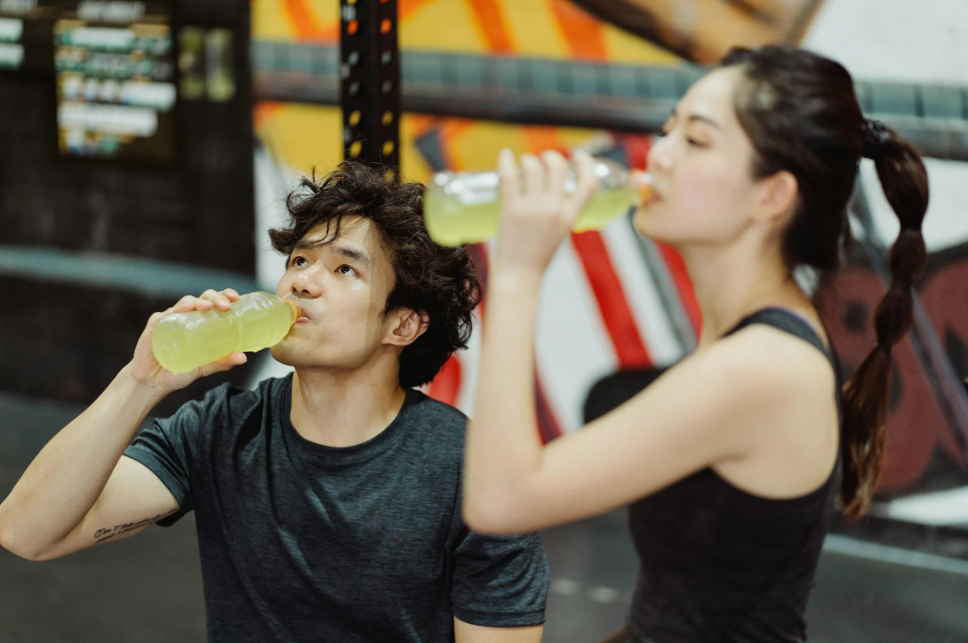
RDs will recommend electrolyte drinks made with natural ingredients that contain the right minerals and will actually be beneficial to you, rather than just a placebo effect. When choosing which brand to buy, carefully read the product packaging and focus on options that have little to no sugar. You must also keep an eye on how much sodium each option has, this is another important component of any electrolyte drink.
There are some options that come in powder form, which can be very practical for your daily routine. They are quick and easy to prepare, as well as convenient to store in your backpack, for example, as they don’t take up much space and allow you to prepare your drink anywhere, anytime. So if you’re uncertain about which one to choose or the type in which it is served, an electrolyte powder might be what you need.
Natural and DIY Electrolyte Alternatives
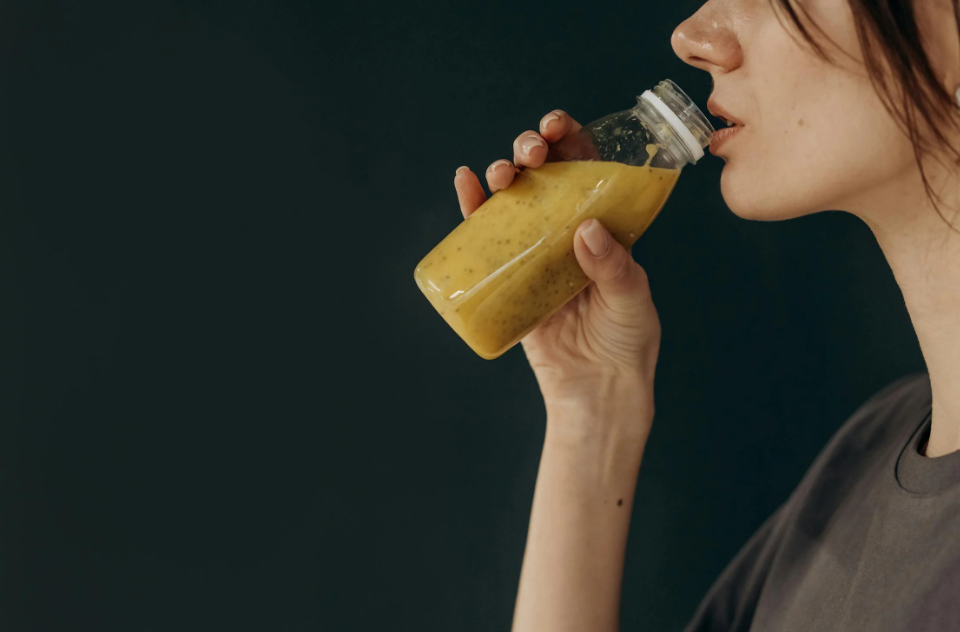
If you prefer to keep things simple, or want a “clean” hydration option, you can make an effective electrolyte drink at home.
DIY Recipe:
- 2 cups water
- 1 tbsp lemon or orange juice (natural potassium + flavor)
- ⅛ tsp sea salt (sodium)
- 1 tsp honey (natural carbohydrate)
Natural sources:
- Coconut water: Naturally rich in potassium.
- Bananas: Quick potassium boost post-workout.
- Yogurt & leafy greens: Contain calcium and magnesium for recovery.
For more plant-based hydration support, feel free to check out VNutrition for recipes and recommendations. Note that whole foods can complement your hydration plan, so think of them as your body’s built-in electrolyte blend.
RD Verdict: Hydration Is Performance
At every level of sport, hydration equals performance. Matching your fluid and electrolyte intake to your sweat rate can improve endurance, reduce cramps, and speed up recovery. Don’t chase brand hype, focus on:
- Consistency: Hydrate before, during, and after training.
- Personalization: Adjust for sweat rate, climate, and diet.
- Testing: Try your hydration plan before race day.
Transparent, third-party-tested brands offer electrolyte powder options that prioritize ingredient quality and balance, without unnecessary sugar or synthetic additives. If you feel the need, seek help from an RD and ask all your questions, this way you’ll feel secure about what electrolyte you must choose.

