
Healthcare is undergoing a digital transformation, and smart bands are at the forefront of this evolution. Once considered simple step counters, today’s smart bands function as compact health intelligence systems. Equipped with advanced sensors and AI-driven analytics, they provide continuous, real-time health data that empowers users to make proactive lifestyle decisions.
As preventive healthcare gains global importance, smart bands are becoming essential tools for individuals who want to monitor their well-being beyond occasional medical checkups.
Understanding Real-Time Health Monitoring
Real-time health monitoring refers to the continuous tracking of physiological signals throughout the day and night. Unlike traditional health evaluations conducted during scheduled appointments, smart bands operate around the clock.
Continuous Data Collection
Modern wearable bands measure multiple metrics simultaneously, including:
- Heart rate
- Blood oxygen levels (SpO2)
- Sleep cycles
- Stress indicators
- Activity intensity
- Skin temperature fluctuations
This uninterrupted stream of data provides a broader understanding of the body’s patterns and responses to daily activities.
Immediate Alerts and Notifications
One of the most valuable aspects of real-time monitoring is instant feedback. If irregular heart rhythms or abnormal oxygen levels are detected, users receive immediate alerts. This timely notification can encourage early medical consultation and potentially prevent complications.
A well-designed smart health monitoring band offers not just data, but meaningful alerts that enhance health awareness.
Enhancing Preventive Healthcare
Smart bands are redefining preventive care by shifting focus from reactive treatment to proactive health management.
Early Risk Identification
Subtle changes in resting heart rate or sleep patterns may indicate underlying issues. By tracking these trends over weeks and months, smart bands can reveal patterns that may otherwise go unnoticed.
Long-Term Health Trends
Historical data analysis allows users to identify correlations between lifestyle habits and health outcomes. For example, reduced sleep quality may align with increased stress or decreased physical activity.
This data-driven perspective encourages informed decision-making rather than guesswork.
The Technology Behind Smart Bands
The effectiveness of real-time health monitoring depends heavily on sensor accuracy and data processing capabilities.
Advanced Sensors
Today’s smart bands incorporate:
- Optical heart rate sensors
- Accelerometers and gyroscopes
- Pulse oximeters
- Bioelectrical impedance sensors
These components work together to gather precise biometric information.
AI and Machine Learning Integration
Artificial intelligence plays a crucial role in transforming raw sensor readings into actionable insights. Algorithms analyze patterns, compare baseline metrics, and generate personalized recommendations.
Platforms like bleo.ai highlight how AI integration enhances wearable performance by delivering adaptive insights based on user behavior.
Applications Beyond Fitness
While fitness tracking remains popular, smart bands now extend far beyond exercise monitoring.
Sleep Optimization
Sleep tracking technology identifies light, deep, and REM sleep stages. By analyzing duration and consistency, users can adjust bedtime routines to improve recovery.
Stress Monitoring and Mental Wellness
Using heart rate variability and other biomarkers, smart bands estimate stress levels throughout the day. When elevated stress is detected, users may receive breathing exercise suggestions or relaxation prompts.
Chronic Condition Monitoring
Smart bands can assist individuals managing conditions such as hypertension or cardiovascular irregularities. Continuous monitoring offers additional reassurance and data for medical consultations.
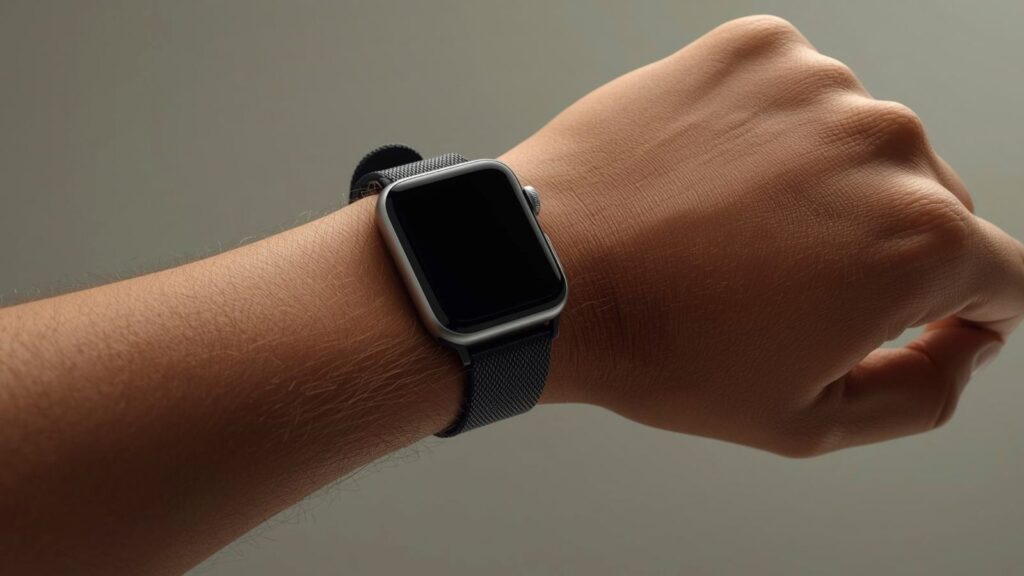
Integration with Digital Health Ecosystems
Smart bands are increasingly connected to broader health platforms.
Mobile Applications
Companion apps allow users to visualize data through charts and summaries. These apps often provide daily health scores and performance insights.
Telehealth Support
Healthcare providers can access wearable-generated data during virtual consultations. This enhances diagnostic accuracy and supports remote patient monitoring.
Such integration strengthens the role of wearable technology in mainstream healthcare systems.
Data Privacy and Security
As smart bands collect sensitive health data, privacy becomes a critical concern.
Secure Data Transmission
Reputable manufacturers implement encrypted data transfer protocols to protect user information.
Transparent Policies
Clear data usage policies and user consent mechanisms build trust and ensure compliance with privacy regulations.
Consumers should prioritize devices that emphasize data security alongside technological performance.
Benefits for Diverse User Groups
Smart bands appeal to a wide range of individuals:
- Professionals seeking stress management insights
- Athletes optimizing training and recovery
- Older adults monitoring cardiovascular health
- Health-conscious individuals pursuing preventive wellness
The versatility of these devices contributes significantly to their growing adoption worldwide.
The Future of Real-Time Monitoring
Technological advancements continue to expand the capabilities of smart bands.
Predictive Health Analytics
Future models may predict potential health issues by analyzing long-term trends and comparing them to global health datasets.
Enhanced Biometric Capabilities
Emerging innovations include non-invasive blood pressure monitoring and advanced metabolic tracking.
Greater AI Personalization
As machine learning algorithms become more sophisticated, recommendations will become increasingly personalized and adaptive.
Conclusion
Smart bands have transformed from simple fitness accessories into comprehensive real-time health monitoring tools. By continuously tracking vital metrics, providing instant alerts, and integrating with AI-powered platforms, they empower users to take control of their health.
Through early risk detection, personalized insights, and seamless integration with digital health systems, smart bands play a pivotal role in the shift toward preventive care. As technology continues to evolve, their importance in everyday health management is set to grow even further.

